In today's information society, having a stable one Korean-native IP Not only can it ensure access speed, but it also helps users obtain a better network experience. However, building a secure network environment is indispensable. In this article, we will explore how to build our own Korean-native IP Ensure network security, covering the required tools, steps, and precautions.
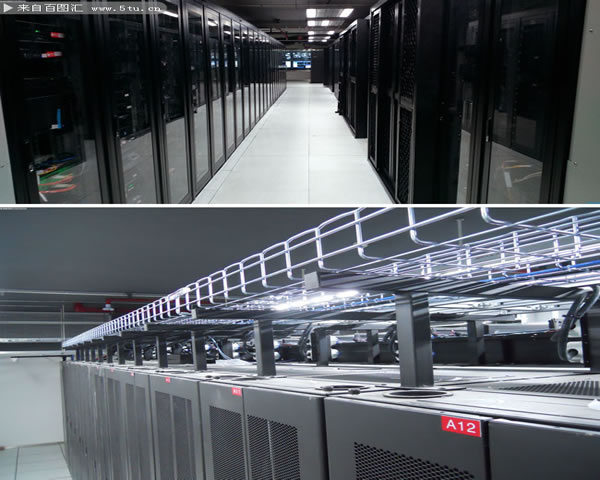
To successfully build Korean-native IP First, some basic tools are needed. You need a remote connection capability server Usually, data centers located in South Korea are chosen. In addition, install a suitable one Virtual Private Network or Proxy Service Software is also indispensable. When selecting a server, ensure that its performance is stable, the bandwidth is sufficient, and it can meet the daily usage requirements.

When choosing a suitable Korean server, several factors need to be considered. The first thing is the geographical location of the server. Try to choose data centers located in large cities such as Seoul or Busan, so that network latency is minimized. Secondly, check the server's bandwidth and traffic limits to ensure it can support your usage requirements. Finally, you can refer to other users' reviews to ensure the stability and security of the server.
In setting up Korean-native IP Security is particularly important during the process. First, make sure your Virtual Private Network or Proxy Service Use strong encryption protocols such as OpenVPN or WireGuard to effectively prevent data leaks. Secondly, regularly check the server's security settings, update software in a timely manner, and avoid security vulnerabilities. In addition, firewalls can be used to block unauthorized access and enhance security.
The steps to set up a VPN connection are relatively simple. First, log in to your server and install the required Virtual Private Network Software. Take OpenVPN as an example, you can install it through the command line. After installation, configure the VPN file, including server address, port, protocol, and other information. Finally, connect to the server using the VPN client, and once the connection is successful, your network traffic will be transmitted through a Korean IP address.
After setup, testing Korean-native IP It is very important whether it is successful. You can use some online tools, such as "IP Address Lookup" websites, to check whether your current IP address is a Korean one. In addition, visiting some websites that are only available in South Korea to check whether they can be accessed smoothly is also an effective testing method.
Choose Korean-native IP There are many reasons for this. First, South Korea has an excellent internet environment with fast access speeds, making it suitable for activities with high bandwidth demands such as watching videos and gaming. Secondly, some websites and services are only open to Korean users, possessing Korean-native IP You can enjoy a better browsing experience. In addition, using a Korean IP address can effectively protect users' privacy and reduce the risk of being tracked.
After setup, maintenance and management are also very important. Monitor the server's operational status regularly, check bandwidth usage, and ensure it is functioning properly. At the same time, promptly update the system and software to patch potential security vulnerabilities. In addition, automatic backups can be considered to prevent data loss.
If you encounter any problems during setup and maintenance, you can seek professional technical support. Many host providers offer 24-hour customer service to answer your questions at any time. In addition, you can join relevant technical forums or communities to share experiences with other users and obtain assistance.
There are many measures to enhance cybersecurity. First, use a complex password and change it regularly to prevent being attacked by malicious actors. Secondly, you can enable two-factor authentication to enhance account security. In addition, conduct regular security audits to check server security settings and promptly identify and address potential issues.
Timely response measures are crucial in the face of potential cyber attacks. First, ensure that all systems and software are kept up to date and that known vulnerabilities are promptly patched. Secondly, use an intrusion detection system (IDS) to monitor network traffic and promptly identify unusual activities. Once attack signs are detected, immediate action should be taken, such as disconnecting network connections and blocking suspicious IPs, to protect server security.
- Latest articles
- Before Choosing A Hong Kong High-defense Exemption Server, You Need To Pay Attention To Security And Contract Terms
- Experts Recommend Paying Attention To ISP And Routing Issues When Assessing The Speed Of Vietnamese VPS
- Cost Control Tips For Korean CN2 Site Clusters: Bandwidth Billing And Resource Allocation Recommendations
- Common Causes Of Tencent Cloud Singapore Server Failures And Best Practices For Prevention
- Evaluation Of The Capabilities Of Singapore Cloud Server CN2 Service Providers In Supporting Cross-border Business
- Case Study Of Application Of Hong Kong Sha Tin CN2 Console In Game Acceleration And Live Streaming
- Judging From Case Studies Whether US High-defense Servers Are Resistant To Complaints: Complaint Types And Final Handling Results Statistics
- Remote Management Practice: US VPS Windows 2003 Remote Desktop And Permission Configuration Instructions
- Key Points Reflected In The Malaysian Cloud Server Price List Comparing Nodes From Different Regions
- A Guide To Choosing Which Cloud Server To Use In Vietnam To Meet Regulatory Compliance And Data Residency Requirements
- Popular tags
-

How Gamers Can Obtain Korean Native Ip To Improve Their Gaming Experience
this article explores how gamers can obtain korean native ip to improve their gaming experience, and recommends dexcom’s services. -
Resources To Share Korean Native Ip Building Tutorial Videos
detailed korean native ip building tutorial video resources are shared, providing practical steps and detailed guides to help users easily complete the building. -

Selection Criteria And Usage Effects Of Korean Station Group Test Ip
this article details the selection criteria and usage effects of korean station group test ips, including the best and cheapest options, to help you better optimize your server.